
 Driving requires care at any time of year, but the winter is the most critical of seasons. No other season has as many hazards to deal with as winter and that is the reason why there are more accidents in winter that any other time of the year.
There are a number of things you need to consider as the weather turns colder and more dangerous.
Rain, Rain Go Away …
Although we have rain all year round in the UK, we have much more in the winter than in the summer and wet roads, sometimes with mud and leaves on them, can be a significant hazard.
Ensure that your tyres have plenty of tread on them at this time of year (at least 3mm). It’s a good idea to get them checked professionally, not just for tread but also to ensure that the pressures are right and that you don’t have any damage to them. Things like the tracking and wheel alignment are less obvious but also extremely important on wet roads.
Ice & Snow
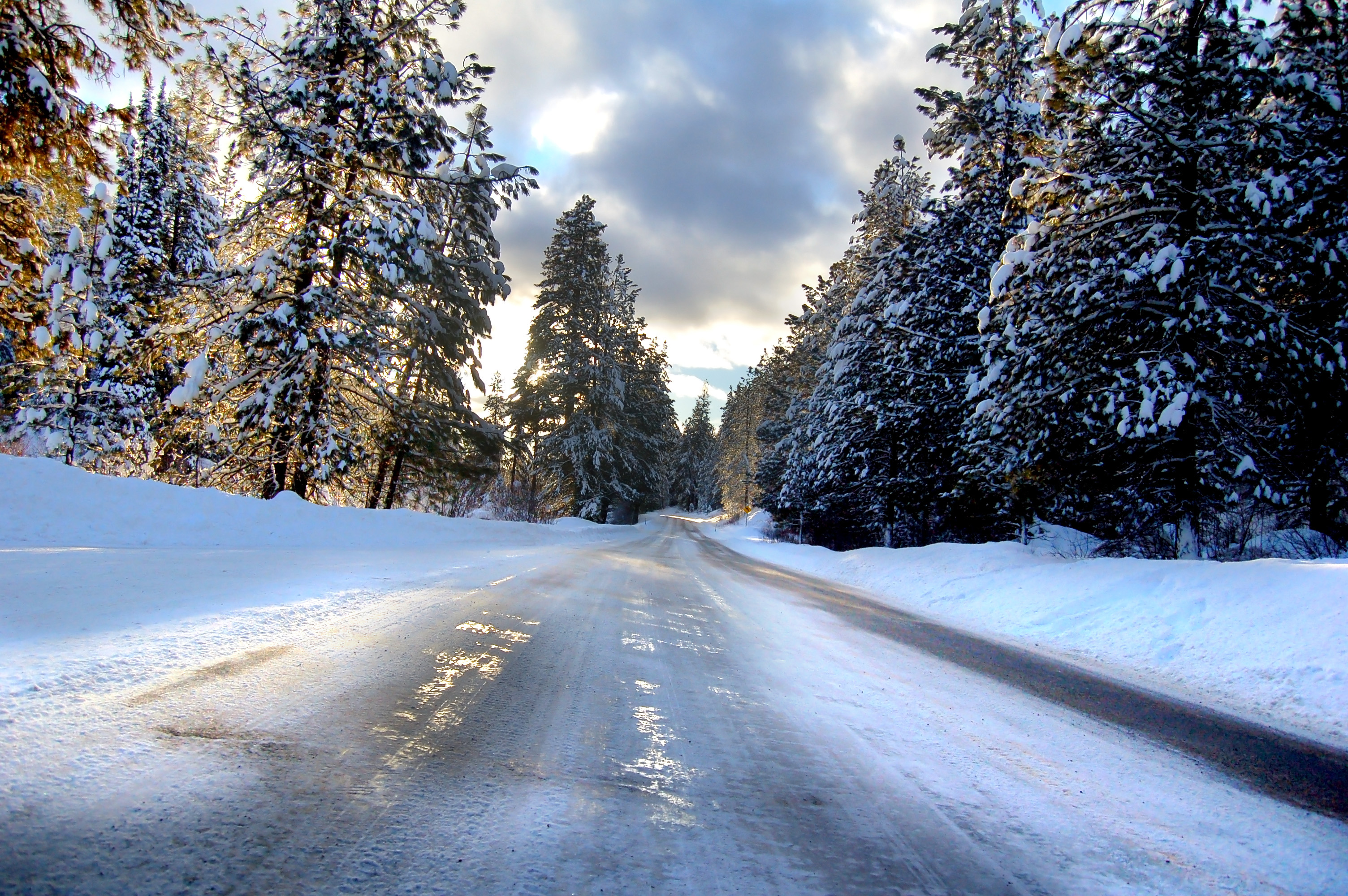
At various times throughout the winter months, ice and snow become a real problem, causing a lot of otherwise safe drivers to come unstuck. Ice is the biggest issue as sometimes it can be completely invisible (so called black ice). With black ice the road just looks a little wet, but you can suddenly find you have no grip and the car is no longer under your control.
The most important things is to remain calm and do not make any sudden changes to your driving. Ease of the power and ensure that your steering is pointing in the direction you want to be going.
Unless you live in a remote area with a lot of snow on un-cleared roads, it is unlikely that you will need snow chains on your wheels, as these can cause a lot of damage if used on cleared roads. However, if you live in a cold area with a lot of snow and ice you may want to swap your tyres for ones with a high silicon content as these will not harden as much in cold conditions, which means you will retain grip better in the winter.
Visibility
Not only does it get darker earlier and light later, but also the daylight hours are not as bright as at other times of the year. Check your lights are all working and that the lights are bright. Sometimes older light bulbs can get dim, which reduces your visibility.
In fog, use your fog lamps, increase your distance from the car in front and reduce your speed. Do not use your fog lamps in the rain as it can cause severe glare for drivers behind you and make it hard for them to see your break lights.
Keep your windscreen, rear window and side windows clean. Clean your headlamps and rear lamps and ensure all your mirrors are kept clean as well. Put a good non-freezing screen wash in your washer bottle and make sure you can see clearly at all times.
Above all drive with more care and keep a safe distance from other road users who may not be looking after their car as well as you are.
Remember that pedestrians are harder to see and they are easier to kill than other road uses, so keep you eyes on the road and focus on completing your journey safely.